
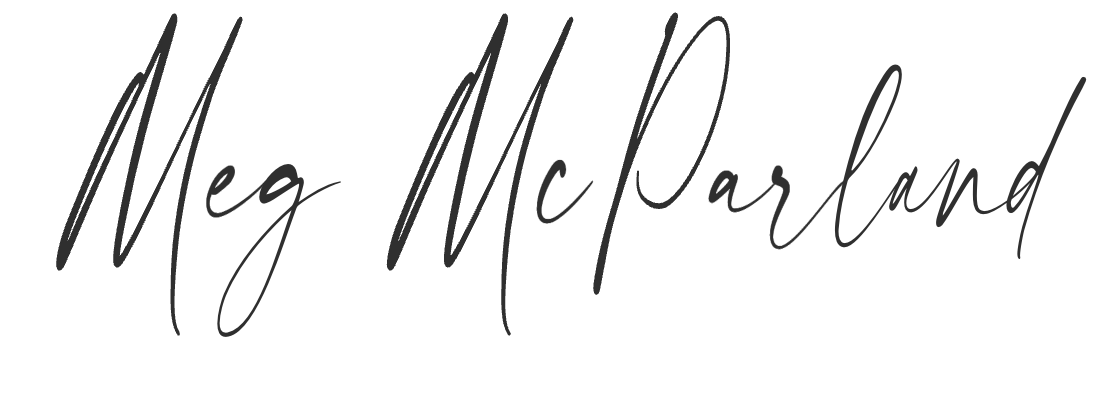
By Meg McParland
Twenty years (um..+) in marketing. I’ve survived the death of the banner ad, the rise of content marketing, the shift to video shorts, and approximately 47,000 “pivots”. I’ve also been told recently by a very confident CIO not to use the “E-M Dash” in my writing. Sir, I will do you one better. There is not a single one in this article. You’re welcome. Also… it is “em dash” – as in “M”… <sigh>.
Now. What nobody tells you before you dive into AI…
1. AI doesn’t make you faster. It makes you realize how fuzzy your thinking is.
I thought AI was going to cut my writing time in half. And it does! Eventually. But first it holds up a mirror and says, “Ok you brilliant genius… what exactly are you trying to say?”
When you type “write me a LinkedIn post about our new product launch” and what comes back is technically correct but completely soulless, that is not AI failing. That is you discovering you never actually clearly articulated what makes your product interesting. Which is awkward. Because you should be able to tell anyone. That is literally your job.
Once I got better at prompting (which is really just getting better at thinking), everything sped up. The robot overlords are only as smart as the questions you ask them. Kind of like interns. (No offense, Nate!)
2. It will not save you from bad strategy. Not even a little.
I watched a lot of people in 2025 get very excited about how fast they could produce content. Whoo hoo. Congratulations! You can now publish three times as much stuff that doesn’t convert. AI can write faster than your audience can ignore you, and that is not the win it sounds like. That is “AI slop.” Not the computer’s fault. Yours.
The fundamentals of strategy did not change. Who are you talking to? What do they actually care about? What do you want them to do? AI amplifies whatever strategy you have. Good strategy gets better. Bad strategy gets louder. Fix the strategy first. Then bring in the technology to support it.
3. The best use cases are the boring ones. Gloriously, life-changingly boring.
Everyone talks about AI writing blog posts and generating images. Sure. Fine. It can do that. But here is what actually changed my day:
- Turning a chaotic brain dump while driving to Starbucks into a structured creative brief in about 90 seconds
- Asking it to poke holes in my campaign concept before I pitch it to leadership and look overconfident
- Summarizing 40 pages of competitor research into something I will actually read
- Drafting the follow-up emails I have been avoiding for two weeks because I find them spiritually draining
These are the unsexy tasks. The ones that quietly eat your afternoon before you ever get to the work you actually like. AI did not replace my creativity. It freed it up. That is the piece that makes it exciting.
4. Your voice is now your entire competitive advantage. Guard it.
Here is the uncomfortable truth: if your content sounds like it could have been written by anyone, AI will write it for free. In 5 seconds. Where are you in it? Does it sound human? Are you…the least bit funny, or charming or authentic or real or different? The market for generic is saturated. Don’t produce something you don’t feel proud to have out in the world.
Your perspective, your experience, your specific slightly-too-honest way of seeing the industry– (oh shit… damn em dash slipped in… whoops) that is the only thing that cannot be replicated. I have been in SaaS marketing long enough to have opinions that are inconvenient, stories that are a little embarrassing, and takes that are occasionally wrong but always mine. That is the asset.
Use AI to draft. Edit it back into sounding like yourself. Every time. No exceptions. (Yes, even if the AI version is smoother. Smooth is not the goal. Real is the goal. Who are you? Does this sound like you/ your brand voice? That matters.
5. AI is not coming for your job. But someone who uses it well might be.
I know. You have heard some version of this. Hang with me while I explain.
I am not worried about AI replacing marketers. I am watching the gap widen between the marketers who have figured out how to use it as an actual thinking partner, and the ones who are still dabbling or waiting to see how it shakes out. One group is doing more, moving faster, and making sharper decisions. The other group is going to have a very interesting conversation with their leadership sometime in the next 12 to 18 months.
I spent a solid chunk of time in the “I’ll get to it” camp myself. I am telling you this so you can skip that part. Twenty years in, and marketing is somehow more interesting than it has ever been. Deeply annoying since it keeps shifting dramatically, but I would not trade it.
If you are a CMO or marketing leader who is figuring any of this out, I would genuinely love to compare notes. Drop a comment or send me a message. I promise I will (try to) respond without using an E-M Dash.
Meg McParland is a marketing leader with 20 years of B2B SaaS experience specializing in demand generation, pipeline strategy, and making complicated things sound like something a human would actually say.
Originally published on LinkedIn on June 22, 2026 → Read the original on LinkedIn


Leave a Reply